Guidelines
What to Include in Brand Guidelines: The Complete Checklist
By the Gracio team · · 4 min read
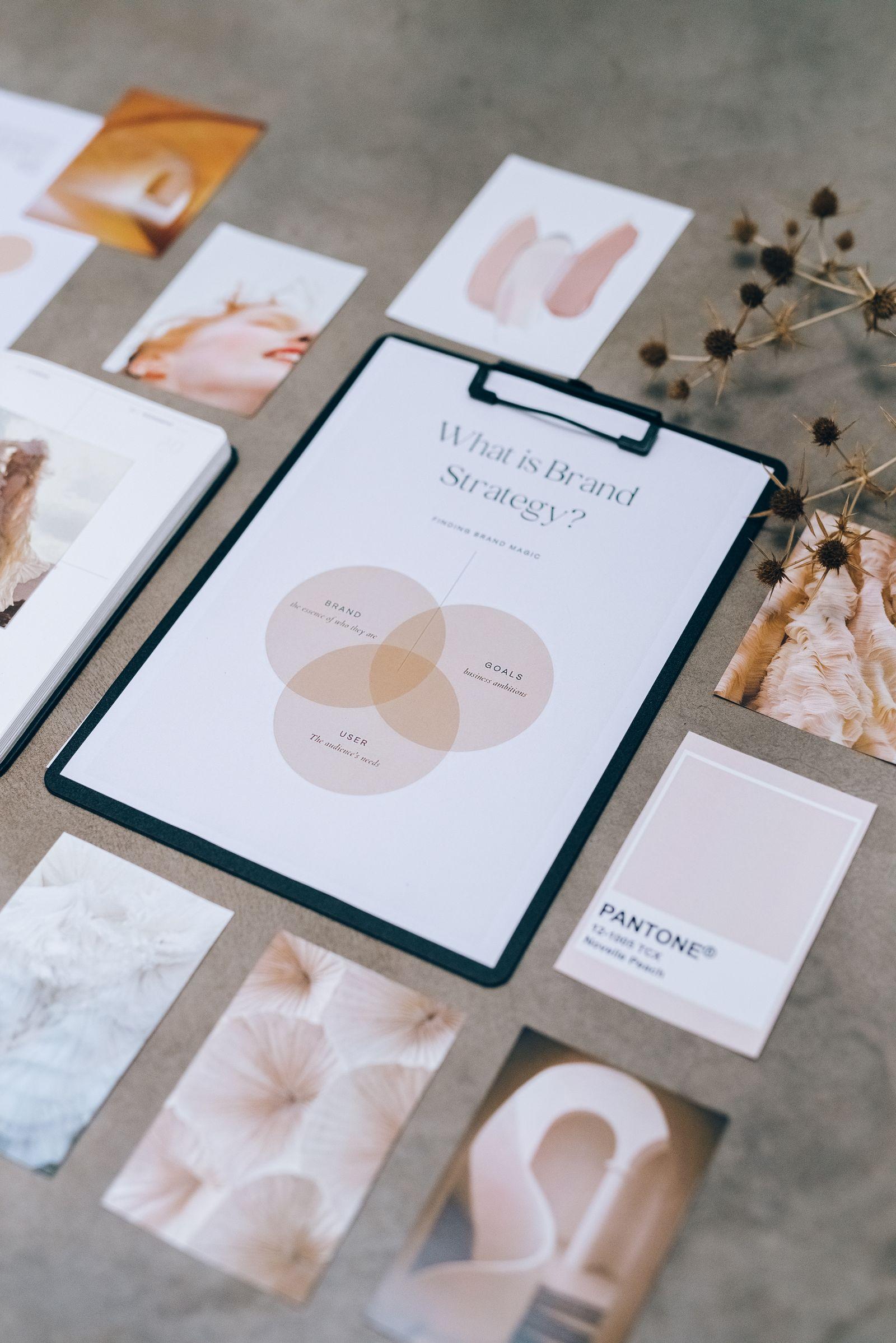
Brand guidelines — also called a brand book or brand style guide — are the rulebook that lets anyone use your brand correctly without asking you first. A designer at an agency, a new marketing hire, a printer, a developer: they should all be able to open one document and produce something that's unmistakably you.
Most guidelines fail in one of two ways. Either they're a beautiful PDF that only covers the logo, or they're a 90-page document nobody reads. Here's what to include so yours is complete and useful.
1. Brand story and strategy
Start with the why. Rules make sense when people understand what they protect.
- Mission and purpose — why the company exists, in one or two sentences.
- Audience — who you serve, described as people, not demographics.
- Positioning — what you do differently from alternatives.
- Values and personality — three to five traits, each with a short explanation of what it means in practice.
If you haven't written your story yet, start with our guide on how to write a brand story.
2. Logo usage
The section everyone looks for first. Include:
- Primary logo and any secondary versions (horizontal, stacked, symbol only).
- Clear space — the minimum empty area around the logo.
- Color versions — full color, one color, reversed on dark backgrounds.
- Approved backgrounds — which colors and images the logo can sit on.
- Misuse examples — stretched, recolored, outlined, rotated, placed on busy photos. Showing what not to do prevents more mistakes than any rule.
3. Color palette
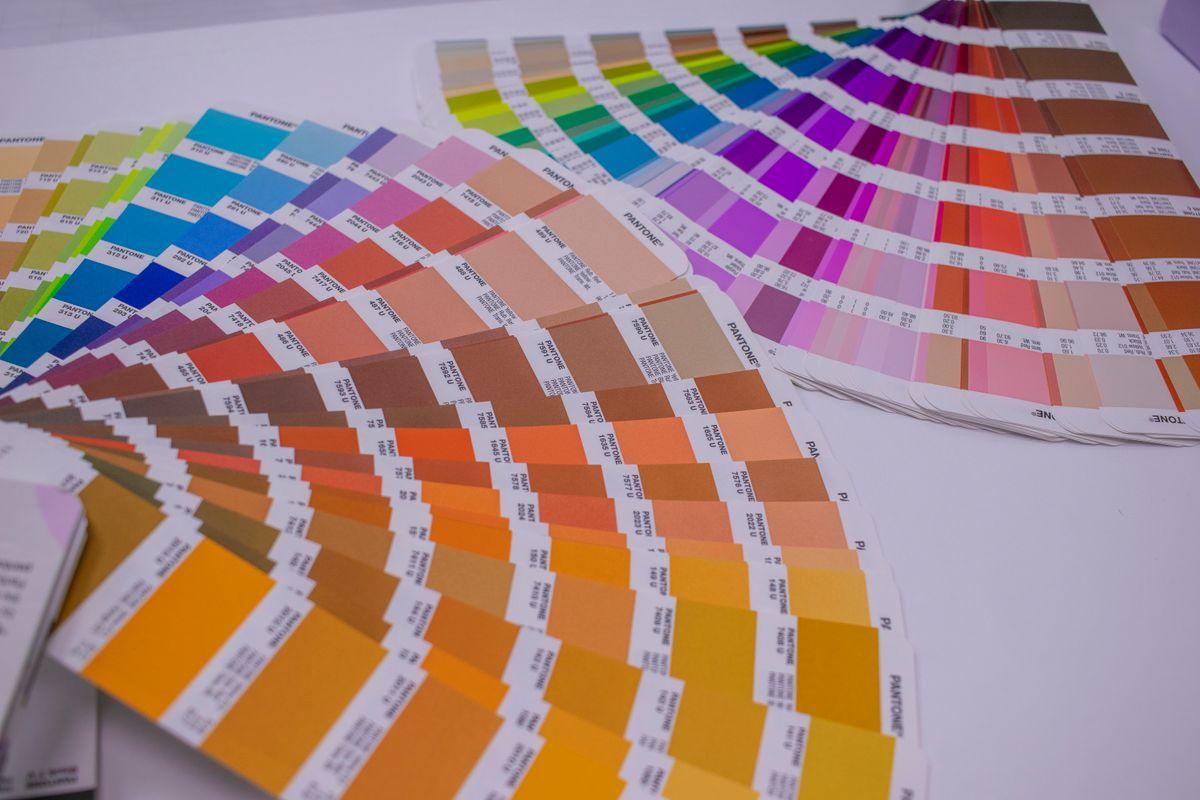
Color is the element people get wrong most often, because "our blue" means a different thing to every screen and printer. For each brand color, list:
- Name and role — primary, secondary, accent, background, text.
- HEX and RGB for screens.
- CMYK (and Pantone, if you use spot colors) for print.
- Accessible pairings — which text colors pass WCAG contrast on which backgrounds. This is often missing, and it's the difference between a brand that looks good in a mockup and one that's readable on a phone in sunlight.
4. Typography
- Typefaces for headings and body text, with where to get them (and licensing notes).
- Weights and styles you use — and the ones you don't.
- Type scale — sizes for display, H1–H3, body, captions, so layouts feel consistent.
- Fallbacks for email and documents where your fonts aren't available.
5. Tone of voice
Your brand sounds like something whether you define it or not. Make it deliberate:
- Voice traits — e.g. "confident, not arrogant", "warm, not cute".
- Preferred terms — the words you use for your product, customers and features.
- Banned words — jargon, clichés and claims you never make.
- Before-and-after examples — a bland sentence rewritten in your voice is worth more than a page of adjectives.
6. Imagery and photography
- The style of photos you use: lighting, color grading, composition, subjects.
- What to avoid — staged stock clichés, specific filters, competitors' visual tropes.
- Illustration and iconography style, if you use them.
7. Layout and graphic elements
Grids, margins, patterns, shapes and any recurring graphic devices. These are what make a brand recognizable even when the logo isn't visible.
8. Applications
Show the brand applied to real things: social posts, business cards, email signatures, presentations, packaging, signage. Examples teach faster than rules — and they're what most people will copy.
9. Digital specifications
For developers and product teams:
- Design tokens — colors, type and spacing as CSS variables or Figma tokens.
- Accessibility rules — contrast ratios, minimum text sizes, focus states.
- UI components if your brand extends into a product.
10. Contacts and versioning
Who owns the brand, who approves exceptions, where to find the latest files, and when the guidelines were last updated. Old guidelines floating around in inboxes are a major source of off-brand work.
The brand guidelines checklist
Use this to audit your current document:
- Brand story, mission, audience, positioning, values
- Primary and secondary logos, clear space, color versions
- Logo misuse examples
- Color palette with HEX, RGB, CMYK and roles
- Accessible color pairings
- Typefaces, weights and type scale
- Tone of voice traits, preferred terms, banned words
- Photography and illustration style
- Layout and graphic elements
- Real-world application examples
- Design tokens for developers
- Owner, contacts and last-updated date
Keep your guidelines alive
The biggest problem with brand guidelines isn't what's in them — it's that they go out of date the moment they're exported. A PDF can't tell you when someone uses the wrong blue.
That's why more brand teams are moving to living guidelines: an online version that updates with the brand, shared through one link, connected to the tools that check work against it. You can see what this looks like in our brand guidelines examples, or generate a complete brand book from a short interview with Gracio's AI brand guidelines generator — every section above included, plus a live version and Brand Check to catch off-brand work.